
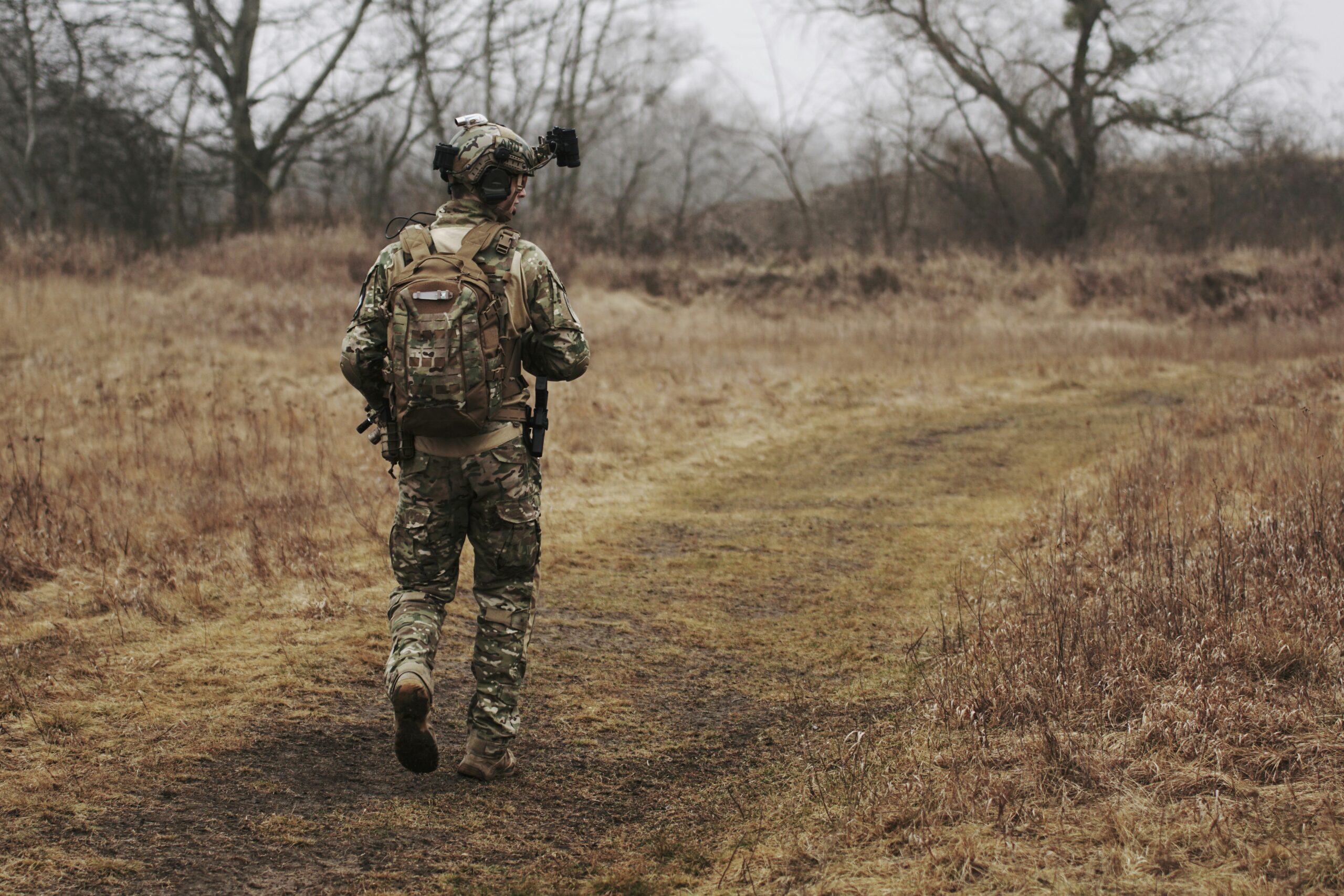
For most National Servicemen, National Service passes without incident. However, when you are suddenly informed that you may face a court-martial in Singapore, whether for missing a book-in, travelling overseas without approval, or alleged misconduct, uncertainty and anxiety can quickly follow.
How does court-martial differ from regular court? Will it result in a criminal record? And would an NSF need a lawyer?
This guide explains how the Singapore military justice system works, the types of cases commonly heard by a court-martial, and when legal advice matters for NSFs and their families.
What Is a Court-Martial in Singapore?
A court-martial in Singapore is a military court that hears offences committed by servicemen under military law. It forms part of the broader military justice system Singapore uses to maintain discipline and operational readiness within the armed forces.
Court-martial applies to:
- Full-time National Servicemen (NSFs)
- Regular servicemen
- Operationally Ready National Servicemen (NSmen), in certain circumstances
These proceedings are governed by the Singapore Armed Forces Act, which sets out military offences, procedures, and punishments.
Court-Martial vs Civilian Court – What’s the Difference?
Although both are courts of law, Singapore court-martial differs from civilian court in purpose and scope.
Civilian Court
- Deals with the general public
- Governed by civilian criminal law (e.g. Penal Code)
- Hear offences such as theft, assault, or fraud
Military Court (Court-Martial)
- Deals with military personnel
- Governed by military law
- Handle service-related offences affecting discipline and readiness
In short, civilian courts protect public order, while military courts uphold discipline within the armed forces.
What Types of Cases Go To Court Martial?
Not every breach of military rules leads to being court-martialled. Minor matters may be resolved through internal disciplinary action or a summary trial. However, more serious or repeated breaches may escalate.
Common court-martial cases in Singapore include:
Absence Without Official Leave (AWOL)
Leaving camp or failing to report for duty without permission, especially for extended periods.
Going Abroad Without Informing
Travelling overseas without proper approval while under NS obligations, even while on leave.
Theft or Dishonesty During NS
Stealing while under military jurisdiction, including SAF property or personal belongings of fellow servicemen.
Missing Book-In or Repeated Lateness
Repeated failure to book in on time or report for duty as required.
Misconduct
Insubordination, disobedience of lawful orders, fighting, or behaviour that undermines military discipline.
Summary Trial vs General Court-Martial
Singapore’s military justice system provides different processes depending on the severity of the offence
Summary Trial
- Used for less serious offences
- Faster and less formal
- Still carries penalties such as fines or confinement
General Court-Martial
- Used for more serious cases
- Formal proceedings with evidence and witnesses
- Wider sentencing powers
Understanding which process applies is critical, as the legal consequences can differ significantly.
Does a Court-Martial Result in a Criminal Record?
This is a common concern among NSFs and families.
The answer depends on:
- The nature of the offence
- The severity of the sentence
- Whether the conduct also constitutes a civilian criminal offence
Some court martial-convictions, particularly those resulting in imprisonment or involving serious offences, may carry long-term consequences beyond National Service.
As outcomes vary, it is unsafe to assume that a court martial is merely an internal disciplinary matter.
Do You Need a Lawyer for a Court Martial in Singapore?
An NSF facing court martial proceedings has the right to get legal representation.
Although military courts differ from civilian courts, they remain formal legal processes involving:
- Charges and evidence
- Witness testimony
- Legal submissions
- Sentencing considerations
How LP Law Can Help
At LP Law, we understand that court-martial proceedings can be stressful and unfamiliar for National Servicemen and their families. We provide clear, practical advice on court-martial charges, procedures, and potential outcomes. And where appropriate, assist with preparation for summary trials or court-martial proceedings and representation in military-related matters.
If you or a family member is facing military disciplinary action, seeking legal advice early can help clarify your options and protect your interests. Contact LP Law to find out how we can assist.
Engaging an experienced NSF court martial lawyer or military court lawyer in Singapore can be crucial, especially where:
- Custodial sentences are possible (e.g. prison sentence)
- A criminal record may arise
- The facts or charges are disputed
- Mitigating circumstances need to be carefully presented
Early legal advice helps servicemen understand their rights and options before critical decisions are made.
The content of this article does not constitute legal advice and should not be relied on as such. Specific legal advice should be sought for your circumstances.